Why Can You Feel a Dog’s Spine Sometimes Without It Meaning the Dog Is Too Thin?
Feeling your dog’s spine does not automatically mean they are underweight. The useful distinction is whether the spine is simply palpable or unusually sharp and prominent, alongside what the ribs, waist, abdominal tuck, muscle, appetite, and weight changes are telling you.
On this page
Feeling a dog’s spine does not automatically mean the dog is too thin. At an ideal body condition, the spine may be easy to locate by touch without feeling sharp, exposed, or surrounded by obvious hollows.
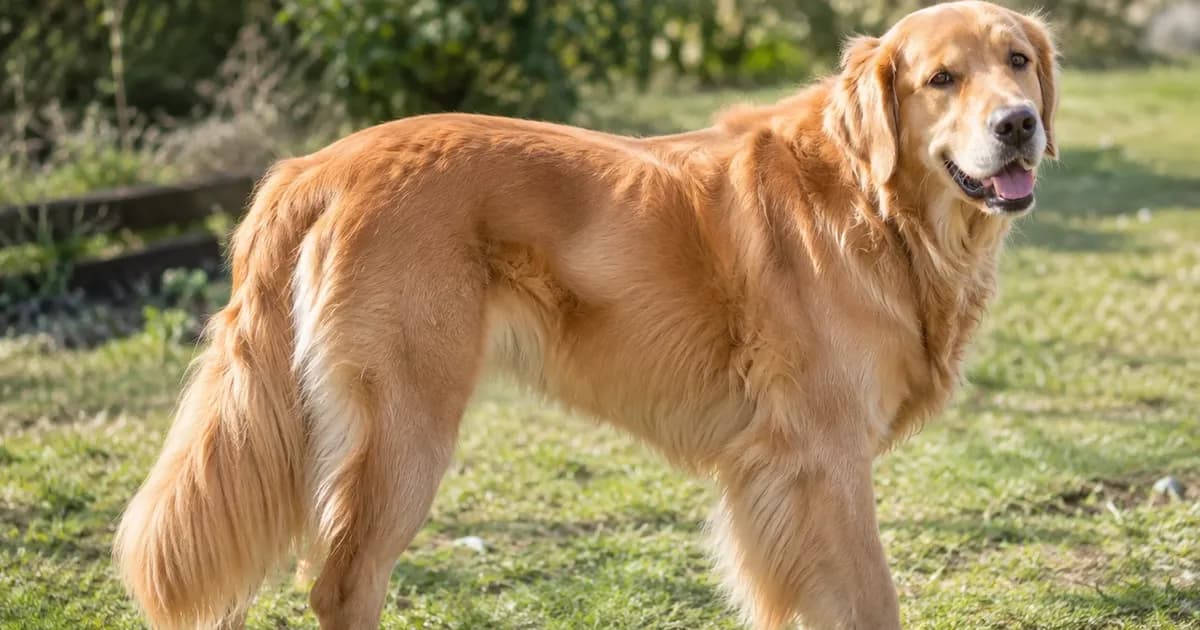
The useful distinction is between a spine that is palpable and one that is prominent. A hands-on check should also include the ribs, the waist viewed from above, and the abdominal tuck viewed from the side. Those details tell you more than the spine alone.
Palpable is not the same as prominent
A healthy, lean dog can have little fat covering the ribs and back. On a 9-point body-condition scale, scores of 4–5 out of 9 are commonly considered ideal for many dogs. At that range, the ribs should be easy to feel beneath a thin or slight layer of fat, but they should not feel sharp. The spine may also be locatable without the dog looking wasted.
Concern rises when the bones feel unusually sharp or look markedly raised. Underweight dogs may have prominent ribs, lumbar vertebrae, or pelvic bones with very little fat covering them. A deeply hollowed waist, a pronounced abdominal tuck, or a noticeable loss of fullness along the back adds to that concern.
Picture the difference between tracing the outline of a book through a thin blanket and feeling the hard corners of an uncovered book. Both are detectable, but the second suggests much less cushioning. That is the practical meaning of the palpable-versus-prominent distinction.
Check the whole outline, not one bone
A simple home assessment uses three views together:
- Feel the ribs. Run your hands gently over the rib cage. At an ideal condition, the ribs should be easy to feel beneath minimal to slight fat cover without feeling sharp.
- Look from above. A visible waist should curve inward behind the ribs. A waist that is barely visible or absent can suggest excess fat, while an extremely narrow outline may fit with being too thin.
- Look from the side. The abdomen should rise from the rib cage toward the hind legs. A tuck is normal, but an unusually pronounced tuck deserves attention when it appears with prominent bones or recent weight loss.
These checks work together because a single body view can mislead. A fluffy coat may hide the outline, while a naturally narrow or athletic dog may look leaner than expected. Body condition is assessed by both appearance and touch, not by a photograph or the feel of one vertebra.
A body-condition score is useful for screening and monitoring, but it is not a diagnosis. If you are unsure, a veterinary team can assess the dog more consistently and compare the findings with earlier examinations.
Weight does not tell the whole story
The number on the scale cannot show how much of a dog’s body is fat, muscle, fluid, growing tissue, or normal structural variation. Two dogs at the same weight can have different body shapes and different amounts of fat and muscle. A breed weight range is therefore a starting point, not a complete definition of healthy condition.
A stable weight does not necessarily mean body composition has stayed the same, either. A dog may lose muscle while carrying the same amount of fat. That is one reason a dog can look softer around the ribs but feel bonier along the spine.
For a broader discussion of food choices without relying on reassuring words such as “natural,” see this guide to comparing dog food ingredients without falling for marketing. Food is only one part of the picture, but changes in appetite or eating habits can help explain changes in body condition.
Body fat and muscle are separate questions
Body-condition scoring estimates fat stores. Muscle-condition scoring looks for loss of muscle in areas such as the spine, shoulder blades, skull, pelvis, and thighs. The two assessments should be considered separately.
A dog can carry excess body fat while also losing muscle. In that situation, the ribs may be difficult to feel through fat, yet the muscles along the spine may look less full and the bony landmarks may stand out more than they used to. Older dogs, dogs recovering from illness, and dogs with reduced activity may need especially careful observation, although the reason for muscle loss cannot be determined from touch alone.
Notice changes over time rather than comparing your dog with an idealized image of another breed. Breed conformation, coat, age, pregnancy, and body structure can all change how a dog looks and feels. A deep-chested dog, a heavily coated dog, and a short-coated dog will not present the same outline even at a similar body condition.
When a veterinary check makes sense
Arrange a veterinary discussion if the spine or hips have become newly prominent, particularly when the change is rapid or unexplained. It is also sensible to seek advice when you notice:
- sharp ribs, lumbar vertebrae, or pelvic bones;
- very little fat covering the ribs or back;
- visible muscle loss along the spine, shoulders, pelvis, or thighs;
- reduced appetite, weakness, or a clear change in energy;
- unexplained weight loss or gain;
- a consistently low body-condition score, around 3 out of 9 or below; or
- a body-condition score around 7 out of 9 or above.
Those signs do not identify a cause by themselves. They simply make a professional assessment more useful than trying to adjust food based on one physical feature.
How to keep track without fixating on one number
Choose a regular time to look at your dog from above and from the side, then gently feel the ribs and back. Use similar lighting and a similar posture each time. Write down the date, weight if available, appetite, activity, and any visible change in outline.
The goal is not to make a perfect home diagnosis. It is to notice a trend early and describe it clearly. A sentence such as “the weight is similar, but the muscles beside the spine look less full” gives a veterinarian more useful information than “the dog feels skinny.”
So, can you feel a dog’s spine without the dog being too thin? Yes. A spine that is easy to locate but not sharp can fit a normal, lean body condition. Look for the whole pattern—rib fat cover, waist, abdominal tuck, muscle fullness, appetite, energy, and change over time—rather than treating one palpable bone as an answer.
FAQ
Sources
- A Cool Guide To Your Dog's Condition : r/coolguides - Reddit — owner discussion