Why Does My Dog Eat Cat Poop?
Dogs usually eat cat poop for a mix of instinct and habit, not because they’re “being bad.” The main fixes are simple: block litter box access, clean it often, and watch for signs of illness or litter ingestion.
On this page
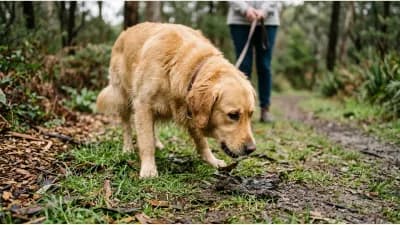
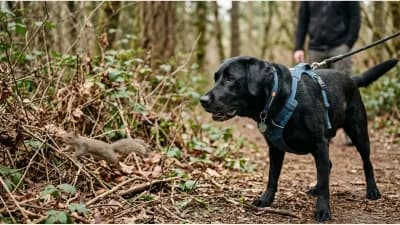
Dogs usually eat cat poop because of two broad drivers: instinctive scavenging and learned behavior. Some dogs are drawn to the smell, especially if the cat food content in the stool makes it more appealing, while others turn it into a habit after repeated access to the litter box. Boredom, stress, curiosity, and even a history of being punished for accidents can all play a role too.
That means the answer isn’t always "something is medically wrong." Sometimes it’s just a dog being a dog: opportunistic, nose-led, and very interested in anything that smells edible. If you want the broader picture of similar scavenging habits, see our dog breed guides at dog breed guides and our other pet care articles on the blog.
Why dogs go for cat poop
Cats produce a food-adjacent scent in their waste that many dogs find hard to ignore. Dogs are natural scavengers, so a litter box can look a lot like an unattended snack station. PetMD also notes that this behavior can be reinforced over time: if the dog keeps getting access to the litter box, the habit can become its own reward.
The behavior may also be linked to boredom or under-stimulation. Dogs with more exercise, playtime, and family interaction are less likely to develop coprophagia, which is the general term for eating feces. In some homes, the dog is simply curious and keeps repeating the behavior because it keeps working.
There can also be a medical side to this. PetMD notes that poor nutrition, parasites, and cognitive changes can contribute in some cases. That doesn’t mean every dog needs a medical workup, but it does mean repeated poop-eating isn’t something to shrug off if it’s new, intense, or paired with other symptoms.
Is it dangerous?
Sometimes the main problem is the gross-out factor. Sometimes it’s the health risk. Cat feces can expose dogs to harmful bacteria and parasites, and there’s also a human risk if contaminated material is tracked around the house.
One parasite to know about is Toxoplasma gondii, which can be passed in cat feces and may infect dogs and humans. AKC also notes that cats may not show visible signs of infection, so a healthy-looking cat doesn’t guarantee the stool is harmless.
There’s also the litter itself. If a dog eats enough cat litter, especially clumping litter, it can contribute to intestinal blockage. That risk matters more than people often assume. A tiny taste is one thing; repeated litter ingestion is another.
Quick risk checklist
- The dog only licked or ate a small amount of stool and seems normal afterward.
- The dog also ate cat litter, especially clumping litter.
- The dog has vomiting, diarrhea, loss of appetite, or seems uncomfortable.
- The dog starts having trouble pooping, produces no poop, or passes abnormal stool.
- The cat has possible parasite exposure, even if the cat looks healthy.
When to call the vet
Call a veterinarian if your dog eats cat litter and then seems constipated, can’t poop, has no poop, or develops abnormal stool. That’s especially important if the dog seems painful, bloated, tired, or starts vomiting.
It’s also smart to check in if the behavior is sudden, extreme, or paired with other changes in appetite, thirst, weight, or energy. If the dog is older, cognitive changes can sometimes be part of the picture. If the cat may have parasites, a vet can help decide whether testing or treatment makes sense.
How to stop it
The most effective prevention is boring but reliable: make the litter box inaccessible. AKC recommends placing it where the dog can’t reach it, and that’s usually the cleanest solution. A baby gate, a cat-only room, a top-entry or covered box, or another barrier can help.
A few other practical steps make a real difference:
- Clean the litter box regularly so there’s less tempting material around.
- Give your dog more exercise, play, and interaction to reduce boredom.
- Use positive training, including a solid "leave it" cue.
- Avoid punishment after accidents, since some dogs may try to hide evidence by eating feces.
- Keep an eye on whether the dog is getting enough food and whether the diet is appropriate.
The key idea is simple: don’t just correct the behavior after it happens. Change the environment so the dog has fewer chances to practice it.
What owners on Reddit say works
Owners in Reddit discussions describe this as a common, frustrating multi-pet problem, especially in homes where the dog can reach the litter box easily. The advice that comes up most often is access control rather than punishment.
People frequently mention gates, closed-off rooms, covered boxes, and physical separation as the most dependable fixes. Some also point to training commands like "leave it" as useful support, especially when paired with better litter box placement and more supervision.
Bottom line
If your dog eats cat poop, the most likely explanations are scavenging behavior, smell-driven curiosity, or a habit that got reinforced by repeated access. It can still pose real risks, especially from bacteria, parasites, or swallowed litter.
Start by blocking access to the litter box, cleaning it more often, and giving your dog better outlets for energy and boredom. If your dog eats litter, shows digestive trouble, or the behavior is new and persistent, call your vet.