How Do You Choose a Dog Breed That Looks Like a Wolf Without Getting the Wrong Fit?
Wolf-like dogs can be beautiful, but the right match depends on your lifestyle, experience, and household—not just looks. Compare domestic breeds by energy, training needs, vocalization, and temperament before choosing.
In this guide
A wolf-like dog can be a great fit if the breed’s energy, independence, and training needs match your life. The mistake is choosing for looks alone, because many wolf-like breeds are intelligent, energetic, and best for owners who can give them plenty of training, exercise, and enrichment.
The first decision is simpler than it sounds: focus on domestic dog breeds that resemble wolves, not wolf hybrids. Petfinder explicitly separates wolf-like domestic breeds from wolf hybrids, and notes that wolf hybrids can bring major legal and ethical challenges; Dogster also emphasizes that dogs that look like wolves are still domestic at heart, which matters if you want the appearance without the complications.
Start with the distinction that matters most
A wolf-like coat, pointed ears, or a narrow face does not mean a dog will live like a wolf. Wolves and dogs share more than 99% of their DNA, but appearance and behavior are still very different, and the sources here consistently separate domestic lookalikes from wolf hybrids.
That distinction should drive the rest of your search. If you want a companion dog, a domestic breed with a wolfish outline is the safer, clearer path. If you’re still narrowing your choices, a breed guide hub can help you compare more than just appearance.
Choose by lifestyle first, looks second
Think about how much time you really have for training, exercise, and mental work. The breeds in this group are often described as independent, energetic, and intelligent, which can make them rewarding but not effortless.
Use this quick filter:
- New to dogs: look for the more trainable, people-oriented options rather than the most independent ones.
- Busy home: avoid breeds that need constant exercise and enrichment or they may get frustrated.
- Quiet household: be careful with breeds known for expressive vocalizations.
- Small apartment: choose carefully, because a wolf-like look doesn’t automatically mean a low-key dog.
- Young kids: consider whether the breed is typically better with older children and whether the dog tends to be aloof with strangers.
Breeds that look wolf-like and what living with them can feel like
The Alaskan Klee Kai was developed in the 1970s as a companion-sized version of the Alaskan Husky. It’s inquisitive, intelligent, energetic, and often forms strong family bonds, but it can also be aloof and wary of strangers. AKC notes that it’s generally considered more trainable than Huskies, though it may still be quite vocal.
The Alaskan Malamute is one of the oldest Arctic breeds, and its thick gray-and-white coat plus powerful build give it a classic wolf-like look. That strong presence is part of the appeal, but it also hints at a dog that isn’t meant to be a casual, low-effort choice.
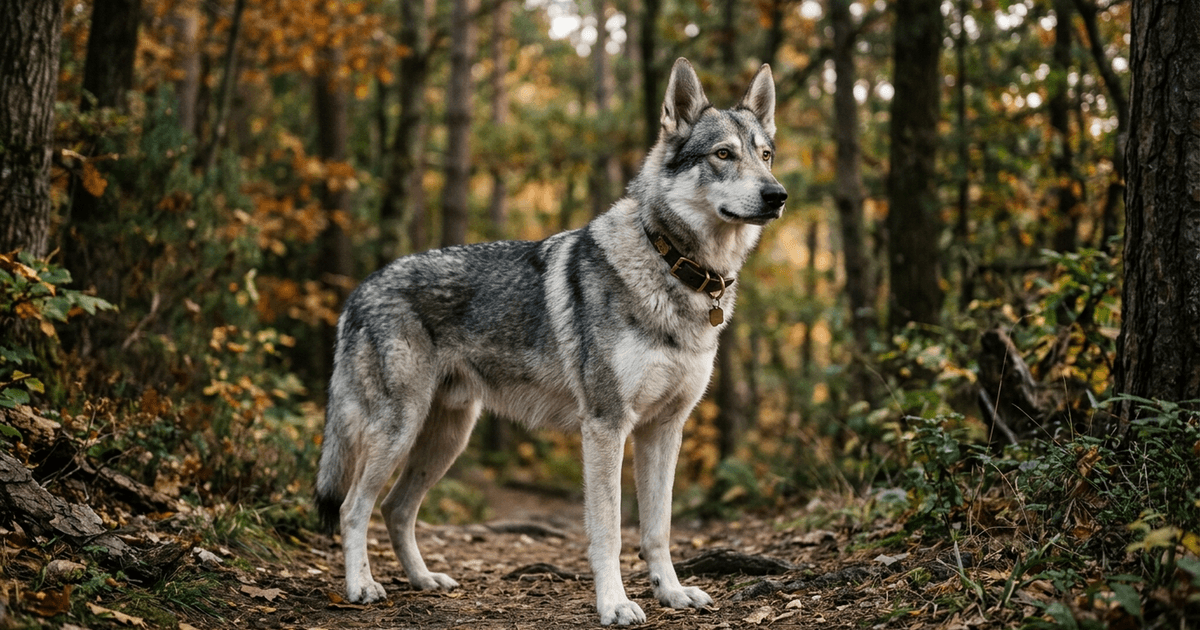
The Czechoslovakian Vlciak is often considered one of the breeds closest in appearance to a wolf. AKC describes it as an alert, primitive canine that resembles a wolf and is highly intelligent, powerful, active, loyal, and devoted. That combination can be a dream for experienced owners who want a serious, capable dog, but it’s also a reminder that “wolf-like” usually means “needs a lot from you.”
If you like comparing breeds side by side, the blog can be a useful place to browse more temperament-focused pet care guides.
Red flags that mean a wolf-like breed is probably the wrong fit
A wolf-like breed may not be your best match if any of these sound familiar:
- You want a dog mainly because it looks dramatic in photos.
- You don’t have time for regular training and enrichment.
- You need a dog that immediately loves strangers.
- You want a quiet dog by default.
- You’re expecting a breed that will feel easy just because it’s domestic.
- You’re considering a wolf hybrid for appearance alone, without fully weighing legal and ethical complications.
Forum discussions often show the same pattern: people want the wolf look without the drawbacks often associated with wolf blood, and many users caution against assuming a wolf-like dog is actually a wolf. That instinct is useful, because the safest choice is usually the most honest one about what the dog will need from daily life.
A practical way to choose the right one
Before you fall in love with a photo, ask three questions:
- Can I handle an intelligent, active dog that may need more work than average?
- Do I want a breed that’s more social and trainable, or one that’s more independent and reserved?
- Does my home fit the breed’s likely energy, vocalization, and stranger tolerance?
If you want a smaller wolf-like companion, the Alaskan Klee Kai may be worth a close look. If you want a more powerful northern breed with a classic wolfish outline, the Alaskan Malamute may be more your style. If you’re drawn to the most convincing wolf look and have serious experience, the Czechoslovakian Vlciak stands out — but it’s the kind of dog that should be chosen for fit first and appearance second.
The best wolf-like dog is the one whose temperament matches your daily life, not the one that looks most like a wild animal on the outside.